How do you plan to heat the pool?
EIA's 2024 survey found 60% of U.S. pool homes report an unheated pool.
No votes yet. Yours will be the first. · saved on this device
Loading...
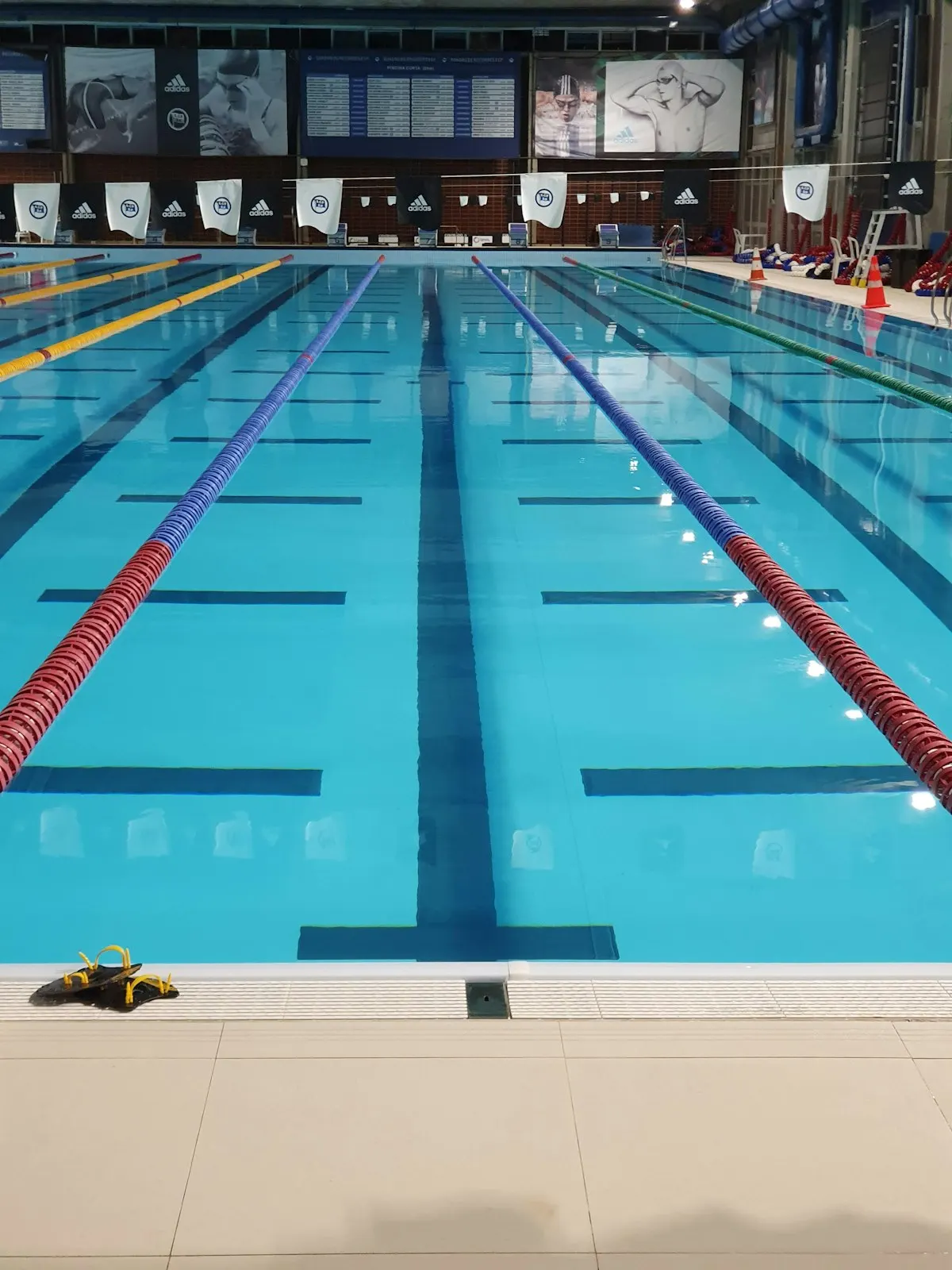
Pool Plan Compass · Natural gas heater vs Electric heat pump
Choose a gas heater if you need fast heat for a spa, swim mainly on weekends, or live where spring and fall air is cold. Choose a heat pump if you want to hold the pool at a steady temperature through a long, mild season at lower running cost. In either case, pair the heater with a cover, or much of the heat escapes overnight.
Photo: Marcelo Uva · License.
Most U.S. pools are not heated at all. The EIA's 2024 survey found 60.06% of pool homes report an unheated pool, while 15.8% heat with natural gas and 13.3% with electricity, a figure that includes heat pumps. The choice between gas and a heat pump is really a choice about how you swim: occasional bursts or steady, season-long use. Answer that honestly and the heater choice usually follows.
This page compares scenarios, operating costs, climate fit, resale and bid details. The design-build page explains where the heater sits in the overall equipment plan. Because heater choice affects the gas line, the electrical service and the pad layout, it should be settled before the site plan is finalized rather than added once trenches are dug and the equipment pad is poured.
A gas heater burns fuel and heats fast at any air temperature; a heat pump pulls heat from the air and heats slowly but cheaply when the air is warm. EIA's 2024 survey found 16% of U.S. pool homes heat with natural gas and 13% with electricity, with 60% unheated; the choice depends on how and when you swim.
| Factor | Natural gas heater | Electric heat pump |
|---|---|---|
| Upfront cost | $1,500 to $6,000 installed (HomeAdvisor 2026); needs gas line sized for 200,000 to 400,000 BTU | $2,500 to $7,500 installed (HomeAdvisor 2026); needs 50-amp circuit |
| Lifespan | 7 to 12 years (HomeAdvisor) | 10 to 15 years typical; fewer combustion parts |
| Operating cost | $800 to $6,000 a year natural gas; propane to $12,000 (Fixr 2025) | $200 to $1,800 a year (Fixr 2025) |
| Heating speed | Fast: degrees per hour; ideal for spas and weekend use | Slow: maintains temperature; best run continuously with a cover |
| Climate fit | Works in any air temperature | Efficiency drops below about 50°F air; strong in humid South |
| Install time | A day plus gas line trenching | A day plus electrical |
| Resale / ROI | Neutral | Buyers in warm markets value the low running cost |
| Best for | Spas, occasional heating, cold or dry climates | Season extension in warm humid climates, daily use, salt or covered pools |
Gas wins when the pool is heated on demand: a spa that goes from 70 to 102 degrees in half an hour, a pool warmed for a weekend and left cold during the week, or a cold-climate pool where a heat pump would struggle in April air. EIA's 2024 survey found natural gas the most common fuel among Western pool homes at 28%, where dry nights and heavy spa use favor it.
The heat pump wins for daily season extension in the humid South, where Fixr's operating range of $200 to $1,800 a year against $800 to $6,000 for gas pays back the higher purchase price in two or three seasons. Pair it with a cover, run the pump on a variable-speed schedule, and it holds a set temperature at low cost. If both make sense, some owners install both: gas for the spa, heat pump for the pool. The design and build page covers sizing.
Gas heaters produce heat quickly regardless of air temperature. They suit spas, weekend swimmers, owners who heat only for occasional events, and climates where shoulder seasons are cool. A gas heater can take a spa from cool to hot in a fraction of the time a heat pump needs, which matters for spontaneous evening soaks.
Heat pumps work like air conditioners in reverse, moving heat from the air into the water. They are slower but far cheaper to run per degree when the air is warm. They suit owners who keep the pool warm continuously through a long season, especially in warm, humid climates. A heat pump running with a cover can hold a steady temperature at modest cost.
Operating cost depends on fuel prices, climate, pool size, cover use and target temperature. Fixr's 2025 figures, shown on the comparison table, place natural gas heating at the higher end of annual costs and heat pumps well below it, with propane highest of all. Gas prices vary regionally, and where they are low, the gap narrows for occasional heating.
A cover changes everything. Uncovered pools lose most of their heat overnight through evaporation, so any heater works harder. Thursday Pools' 2026 guide prices automatic covers at $8,000–$20,000, and they often reduce heating costs enough to matter over several seasons. Pairing a heat pump with a cover is the most common low-running-cost setup for season extension.
Heat pump efficiency drops as air temperature falls, and most models struggle below the fifties. In humid southern climates, heat pumps perform well for most of the year. In dry western climates with cool nights, gas often suits spas better. Our analysis of EIA's 2024 survey found 35.8% of U.S. pool homes report a heating fuel, rising to 49.6% in the West, the highest regional share, where 27.7% heat with natural gas.
In northern climates with short seasons, a gas heater can extend swimming into spring and fall even when air temperatures are too low for a heat pump to keep up. Some owners use both: a heat pump for steady summer heat and gas for fast spa heating or cold snaps. That adds upfront cost but covers every scenario.
Buyers rarely pay extra for a specific heater type, but they do notice age and running cost. In warm markets, a newer heat pump with lower operating cost can be a selling point. In cold markets, a working gas heater is often expected for pools with spas. An old or failing heater appears in inspection reports and can become a negotiation item.
Because heaters last years rather than decades, most owners replace one at least once during ownership. The spa comparison explains how heater choice interacts with attached spas. When a heater nears the end of its life, the replacement is a chance to reconsider fuel type, since gas prices, electricity rates and how you use the pool may all have changed since the original build.
The most common mistake is buying a heater without a cover, which wastes much of the energy used. Another is choosing a heat pump for a spa that is used occasionally, then finding it takes too long to heat. Undersizing either heater for the pool volume or climate leads to disappointment and higher running cost.
Installation details also matter. Gas heaters need correctly sized gas lines and proper venting. Heat pumps need dedicated circuits and clear airflow. Placing a heat pump in a tight corner or a gas heater near windows can create performance or code problems. Ask the builder for sizing calculations and placement on the site plan.
A heater proposal should list model, output, fuel type, installation requirements and warranty. For gas, confirm gas line size, meter capacity, venting and distance from the meter. For heat pumps, confirm electrical circuit size, breaker, placement and noise rating. Ask for an estimate of heat-up time and typical operating cost for your pool and climate.
Also confirm whether the heater cost includes a cover, automation and controls, since these affect performance. The pool cost guide shows how heaters fit into the overall budget, and the heating poll shows how other planners are choosing. Get the sizing numbers in writing so you can compare them between bids.
Homeowner polls
EIA's 2024 survey found 60% of U.S. pool homes report an unheated pool.
No votes yet. Yours will be the first. · saved on this device
EIA's 2024 survey found 77% of Western pool homes swim year-round versus a small minority in the Northeast.
No votes yet. Yours will be the first. · saved on this device
Slowly. A heat pump adds a few degrees an hour to a small spa volume, so heating from cold takes hours rather than minutes. Owners who use the spa spontaneously usually want gas for it, or keep the spa warm continuously under a good cover.
A 400,000 BTU heater typically needs a 1 to 1.25 inch line depending on run length, larger than most household appliances. Long runs from the meter are the main cost. Ask the installer to size the line and confirm the meter capacity with the utility.
In sunny climates with roof space, yes. HomeAdvisor prices solar systems at $2,500 to $9,500 with near-zero operating cost and up to a 30-year life. They cannot heat on demand or at night, so they pair with a gas or heat pump backup rather than replacing it.
Yes. Some owners install both, using the heat pump for steady, low-cost heating during warm months and the gas heater for fast spa heating or cold periods. The two can be controlled by automation so the system uses the cheaper option when possible. The upfront cost is higher, but it can suit pools with attached spas in variable climates.
Heat pumps have a fan and compressor, so they make a steady hum similar to an air conditioner. Noise ratings vary by model. Place the unit away from bedrooms and patios, and check local noise rules. Gas heaters are generally quieter but produce combustion noise and exhaust.
Propane works where natural gas is not available, but it usually costs more to run. Fixr's figures show propane heating costs can be much higher than natural gas. For occasional spa heating, propane may still be reasonable. For continuous pool heating, a heat pump is often the lower-cost option where the climate allows.
Gas heaters commonly last several years to around a decade or more, depending on water chemistry, usage and maintenance. Heat pumps often last longer because they have fewer combustion parts. Poor water balance shortens the life of either heater, so regular testing is the best way to protect the investment.
If the pool and spa share one heater, size it for the combined demand, with attention to how quickly you want the spa hot. Spas need fast heating, which often favors a larger gas heater. Pools need steady heat, which a heat pump can supply. Ask the builder to show sizing calculations for both uses.
 ComparisonGunite (concrete) pool vs Fiberglass pool
Choose gunite if you want a custom shape, an integrated raised spa, a sloped-lot design or an infinity edge, and you accept a longer build and periodic resurfacing.
 ComparisonFiberglass pool vs Vinyl liner pool
Pick vinyl if the upfront budget is tight, you want a custom shape without gunite pricing, or your season is short.
 ComparisonIn-ground spa vs Portable hot tub
Choose an in-ground spa if you are building a pool and want the spa to share its equipment and double as a water feature.
 ComparisonPoured concrete deck vs Paver or travertine deck
Choose poured concrete for the lowest cost per square foot, large areas and a smooth continuous surface, knowing it will crack at some point and needs sealing.
 ComparisonSaltwater chlorine generator vs Traditional chlorine
Choose a salt chlorine generator if you swim in a warm climate over a long season, dislike buying and handling chlorine, and want softer-feeling water.
 Service guideCustom Pool Design & Build
Custom pool design and build covers everything from the site plan to first swim: excavation, the shell in gunite, fiberglass or vinyl, equipment and plumbing, electrical and bonding, the barrier, startup and training.
 Service guideSpa & Hot Tub Installation
Spa and hot tub installation covers the base, the delivery route, the dedicated electrical circuit with GFCI protection, drainage around the unit, and the cover and access arrangement that make it usable every week.
 Service guideWater Features & Waterfalls
Water features add sound and motion to a pool through sheer descents, bubblers, deck jets, scuppers, spillover spas or rock waterfalls.
 Service guidePool Decking & Coping
Pool decking and coping form the transition from water to yard: the coping caps the bond beam and the deck carries foot traffic and sheds water.
 Free toolInground pool cost calculator
Size, material tier and complexity in, a realistic budget range out.
 Free toolPool planning quiz: nine things to know before the first site visit
9 questions that show what you already know and what to check next.
 Free toolPool planning polls
See what other planners chose and add your vote.
Tell us the size, the condition of what is there now, and what you want to change. Pool Plan Compass passes your request to independent local professionals, who reply with written, no-obligation estimates. The service is free to use.