What worries you most about building a pool?
No votes yet. Yours will be the first. · saved on this device
Loading...
Pool Plan Compass · Permits
Almost every inground pool and most in-ground spas need a building permit, and usually electrical, plumbing and sometimes gas permits too. Rules vary by jurisdiction, but most follow the International Swimming Pool and Spa Code or IRC pool provisions. Expect barrier rules, bonding and drain-cover checks, and a sequence of inspections from layout to final. Confirm every detail with your local building department.
By Pool Plan Compass editorial · Updated 2026-09-25
Pool codes are more detailed than most homeowners expect, because a pool combines deep excavation, a structure holding thousands of gallons, electricity near water and a well-documented drowning risk. The CDC reports an average of 4,345 per year drowning deaths in the U.S., and drowning is the leading cause of death for children aged one to four. Barrier and drain rules exist for that reason.
This guide explains the common framework, but it cannot tell you your local rules. States, counties and cities adopt model codes on different schedules and amend them freely. HOAs add their own layer. Treat everything here as the questions to ask, and your building department's answers as the rules that apply to your lot. The pool glossary defines terms such as bonding and barrier, and the planning guide shows where permits fit in the schedule.
An inground pool almost always needs a building permit, and the electrical work needs its own permit or a combined one. Gas lines for heaters (by our analysis of the same survey, 15.8% of pool homes heat with natural gas), new plumbing tied to the house, retaining walls above a certain height, and significant grading often need separate approvals. In-ground spas are treated like small pools. Portable hot tubs frequently need an electrical permit for the dedicated circuit even when no building permit is required, as the spa installation page explains. That path is common: our analysis of EIA's 2024 household survey found 69.1% of hot-tub homes report no pool.
Water features, decking and fences can also trigger review. A new deck may count against lot coverage limits, a fence may need a zoning check, and a raised waterfall wall may need structural review. HomeAdvisor puts permit review at 2–6 weeks, and Today's Homeowner puts pool permit fees at $500–$2,000. Ask the department for a complete list before you sign a contract.
Most U.S. jurisdictions base pool rules on the International Swimming Pool and Spa Code, published by the International Code Council, or on the pool provisions in the International Residential Code. Electrical rules come from the National Electrical Code, which has a dedicated article for pools, spas and fountains. Suction outlet covers are shaped by the federal Virginia Graeme Baker Pool and Spa Safety Act.
Adoption varies. One county may be on a recent code edition while the next is several editions behind, and many states add their own amendments for barriers, alarms or setbacks. Some states, such as Florida and California, have specific residential pool safety statutes. Your builder should know the local edition and amendments; ask them to name the code edition on the permit application.
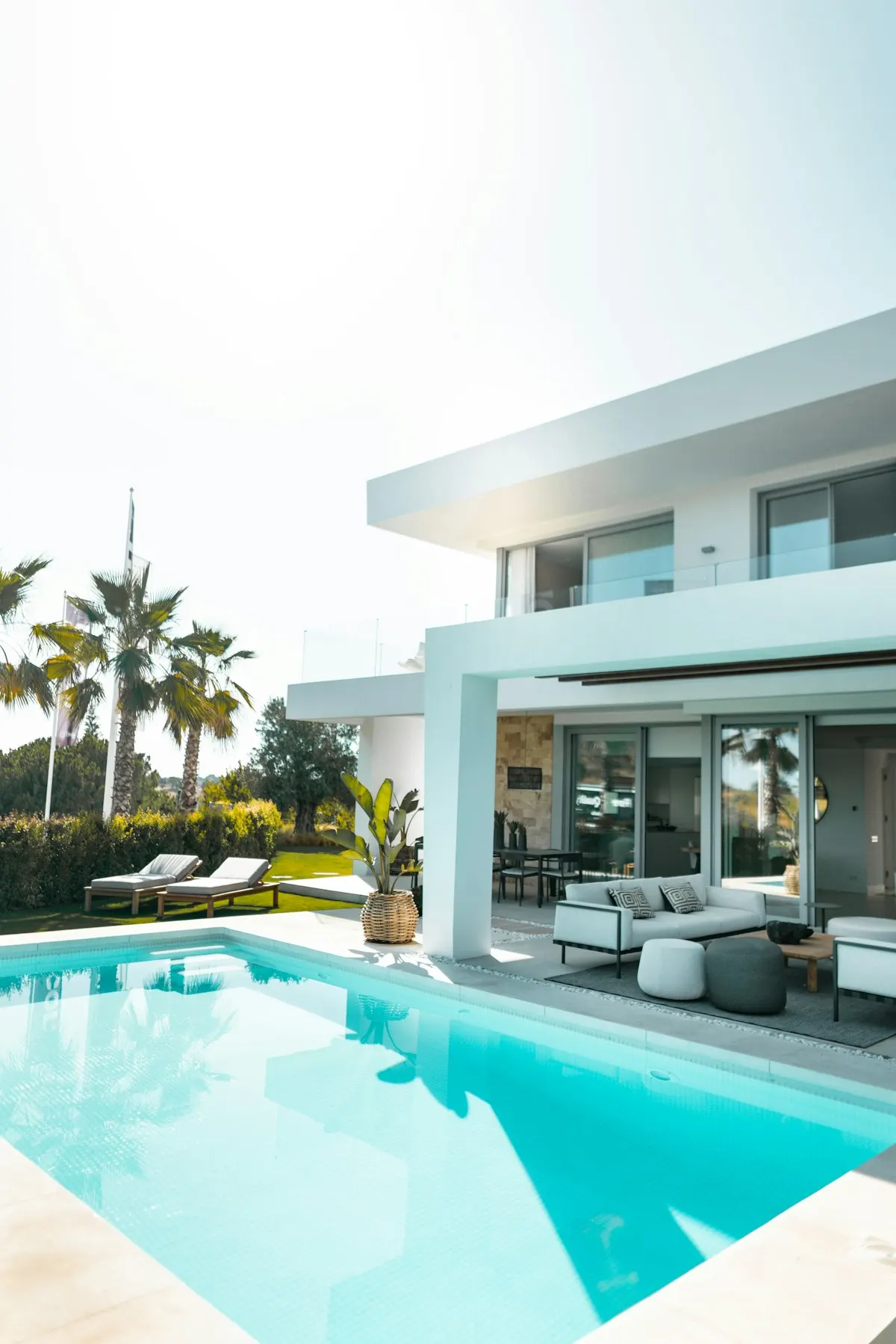
Most U.S. jurisdictions base their pool barrier rules on the International Swimming Pool and Spa Code: a barrier at least 48 inches high, no opening a 4-inch sphere can pass, no footholds in the lower 45 inches, and self-closing, self-latching gates that swing away from the pool with the latch release 54 inches above grade. Fixr prices a typical pool fence at $6,500 installed.
The table in this section lists the typical ISPSC values as summarized in a July 2026 code guide from Mister Baluster, a railing supplier, alongside the state variations it records. Arizona and parts of California commonly require 60 inches rather than 48, so confirm the height with your building department before the fence is ordered.
Where the house forms part of the barrier, codes usually require alarms on doors that open into the pool area, or an approved safety cover, or both. Some jurisdictions accept a power safety cover in place of certain barrier elements, and others do not. The CPSC found 85% of fatal child pool and spa drownings happen at a residence, which is why inspectors check these details closely.
| Requirement | Typical ISPSC value | Common local variation |
|---|---|---|
| Barrier height | 48 in minimum, measured from outside grade | 60 in common in Arizona and parts of California |
| Openings | No opening that passes a 4 in sphere | Rarely changed |
| Climbable members | No horizontal members or footholds in the first 45 in | Rarely changed |
| Gate operation | Self-closing and self-latching | California adds latch-height provisions (Health and Safety Code 115922) |
| Gate swing | Outward, away from the pool | Rarely changed |
| Latch release height | Commonly 54 in above grade | Varies by jurisdiction |
| Setback from water | At least 20 in from the water's edge | Check local code |
| House wall as barrier | Door alarms or an approved safety cover | Florida requires 85 dB alarms on doors with direct pool access |
| Powered safety cover | ASTM F1346 cover can replace the barrier in most jurisdictions | Some jurisdictions do not accept it |
Electrical work near water is inspected more strictly than almost any other residential wiring. Pool equipment circuits need ground-fault protection, lights and receptacles must sit at defined distances from the water, and overhead lines must clear the pool by set heights. Underground wiring must be kept clear of the pool walls or protected, and every pool light fixture must meet listing requirements for wet locations. Spa circuits get the same scrutiny, and they carry the heater too: 52.7% of hot-tub homes heat the tub with electricity.
Equipotential bonding ties metal parts and the water itself into a single electrical potential, so no voltage difference can exist between a ladder, a light niche and the wet deck. The bonding grid is inspected before concrete covers it. That inspection is one reason deck pours depend on the inspector's schedule. Ask the builder who handles the electrical permit and whether a licensed electrician will be on site.
Inspection stages vary by jurisdiction, but a common sequence runs from layout through final. The inspector may check the staked layout and setbacks, then the excavation and steel for gunite, then plumbing pressure tests, then bonding and electrical rough-in before the deck. Barrier, gates and alarms are checked before the final. Fiberglass and vinyl builds follow a similar pattern with fewer steel checks.
Each inspection is a hold point. The crew cannot cover work until it passes, and a failed inspection means rework and a new appointment. That is part of why a pool build takes weeks or months even when the construction itself is quick. A builder who schedules inspections promptly and has a good record with the local department is worth real money in time.
| Stage | What is commonly checked |
|---|---|
| Layout | Setbacks, easements, location on the approved plan |
| Excavation and steel | Depth, rebar spacing and cover for concrete shells |
| Plumbing | Pressure test, suction outlets and drain covers |
| Bonding and electrical | Bonding grid, GFCI, conduit and light niches |
| Barrier and final | Fence, gates, alarms, covers and equipment labeling |
HOAs typically review appearance and neighbor impacts rather than safety. Expect questions about fence style and height, equipment location and noise, drainage onto neighboring lots, lighting and construction access across common areas. Some associations require a damage deposit or proof of insurance from the builder, and many restrict construction hours or truck parking. A few limit water features or raised structures that affect views.
HOA approval and building permits run on separate tracks, and neither replaces the other. Many HOAs meet monthly, so a missed deadline can cost weeks. Submit the site plan to the HOA as early as possible and make your builder contract contingent on approval. The design-build page explains what a complete plan set usually includes.
An unpermitted pool can surface at the worst time. Building departments sometimes find them through aerial imagery or neighbor complaints, and the result can be fines, a stop-work order or a requirement to open finished work for inspection. At sale, buyers, appraisers and lenders may ask for permit records, and an unpermitted pool can delay closing or reduce the price.
Insurance is the other risk. Today's Homeowner notes pools add a modest amount to annual premiums, and an insurer may question coverage for a structure it did not know about, especially after an injury claim. If you buy a home with an unpermitted pool, a retroactive permit is often possible but may require upgrades. Ask the matched professionals how they handle permits before any work starts.
Homeowner polls
No votes yet. Yours will be the first. · saved on this device
No votes yet. Yours will be the first. · saved on this device
In most cases the licensed builder pulls the permit, which makes them responsible for code compliance and inspections. Some jurisdictions allow an owner-builder permit, but that shifts liability and inspection coordination to you. Write into the contract who pulls each permit, who pays the fees and who schedules inspections. A builder who asks you to pull the permit yourself deserves a follow-up question about why.
Often yes, at least for the electrical work. A 240-volt hot tub typically needs a dedicated circuit with a disconnect, and many jurisdictions require an electrical permit and inspection. Some also check the barrier or require a lockable safety cover instead of a fence. Plug-in 120-volt units may need no permit, but check local rules before assuming so.
The Virginia Graeme Baker Pool and Spa Safety Act is a federal law that requires anti-entrapment drain covers on public pools and spas and encouraged states to adopt stronger residential rules. Model residential codes have since adopted similar suction outlet requirements. For a new home pool, expect the inspector to check that drain covers are listed and that suction outlets are designed to prevent entrapment.
Some jurisdictions allow a power safety cover meeting an ASTM standard in place of certain barrier elements, particularly door alarms. Many still require a perimeter barrier regardless. The rules differ widely between counties and states, and HOAs may add their own requirements. Ask your building department directly before designing around a cover, because a failed final inspection means building the fence anyway.
Small features that sit on the pool and share its plumbing usually fall under the main pool permit. Raised walls, rock waterfalls and structures above a set height may need structural review or count toward lot coverage. Any new electrical circuit, pump or lighting needs electrical inspection. Include every planned feature on the original permit drawings, since adding them later can mean a second review.
Validity periods vary. Many jurisdictions let a permit expire if work does not start within a set period, or if too much time passes between inspections. Extensions are common but may require a fee or a new review under an updated code. If your start date might slip, ask the department about expiry rules when the permit is issued.
In many areas, yes. A permitted pool is typically reported to the assessor and can raise the assessed value of the property, which raises the tax bill. The amount depends on local assessment practice. Opendoor estimates a pool adds about 5 to 8% to home value nationally, but assessors use their own methods. Call your assessor's office if you want an estimate before you build.
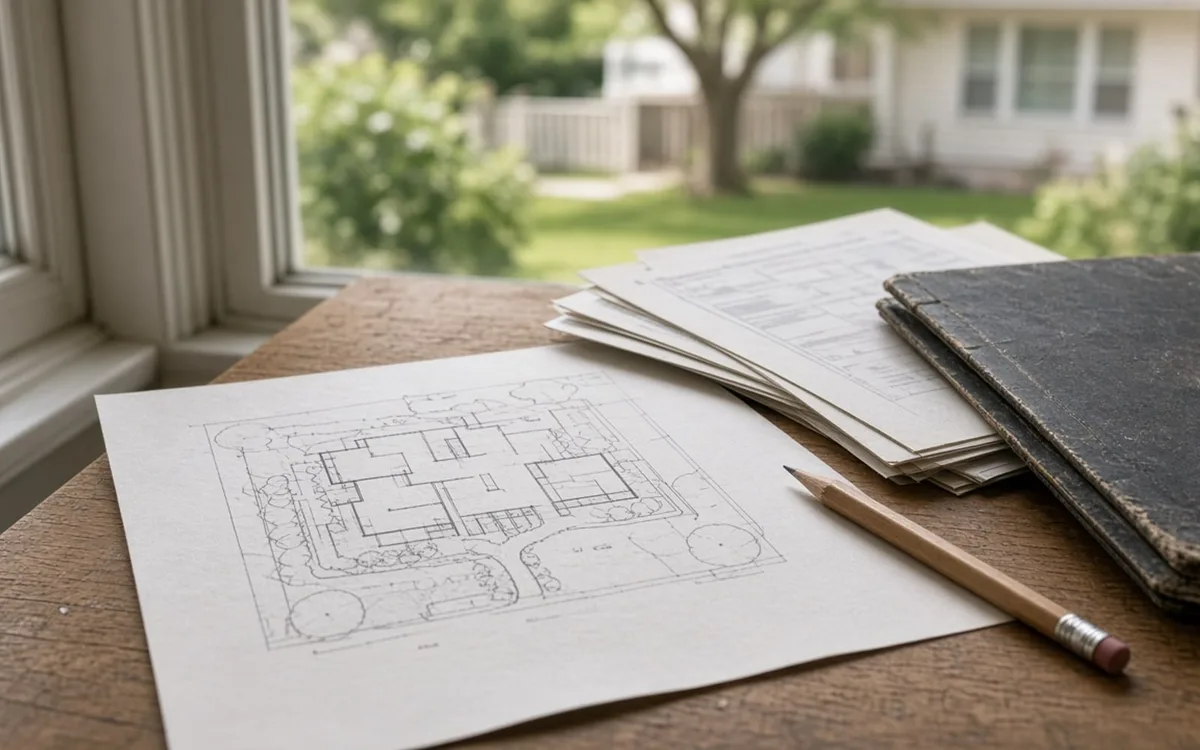
Many jurisdictions require a site plan drawn on a current property survey, showing the pool, deck, fence, equipment and setbacks. If your survey is old or does not show recent additions, you may need an updated one. It also protects you from building too close to a line or easement. Ask the builder whether their site plan fee includes the survey or assumes you provide one.
 Service guideCustom Pool Design & Build
Custom pool design and build covers everything from the site plan to first swim: excavation, the shell in gunite, fiberglass or vinyl, equipment and plumbing, electrical and bonding, the barrier, startup and training.
 Service guideSpa & Hot Tub Installation
Spa and hot tub installation covers the base, the delivery route, the dedicated electrical circuit with GFCI protection, drainage around the unit, and the cover and access arrangement that make it usable every week.
 Service guidePool Decking & Coping
Pool decking and coping form the transition from water to yard: the coping caps the bond beam and the deck carries foot traffic and sheds water.
 PlanningHow to plan an inground pool before you call a single builder
Plan a pool in this order: decide who will use it and how many months a year, check the yard for access, slope, utilities and setbacks, set an all-in budget that includes the deck, barrier and equipment, then schedule backward from your swim date.
 CostsWhat an inground pool really costs in 2026, and why bids differ
Angi puts the typical 2026 inground pool at about $65,909, with most projects between $44,499 and $87,349; HomeAdvisor's average is $41,835.
 MaterialsPool materials and options: what each choice costs you now and later
Choose the shell first: gunite for any shape and an integrated spa, fiberglass for speed and low upkeep, vinyl for the lowest upfront price.
 Free toolInground pool cost calculator
Size, material tier and complexity in, a realistic budget range out.
 Free toolPool and spa comparisons, decided by your conditions
Side-by-side tables for the decisions that change the price most.
 Free toolPool planning quiz: nine things to know before the first site visit
9 questions that show what you already know and what to check next.
 Free toolPool planning polls
See what other planners chose and add your vote.
Tell us the size, the condition of what is there now, and what you want to change. Pool Plan Compass passes your request to independent local professionals, who reply with written, no-obligation estimates. The service is free to use.